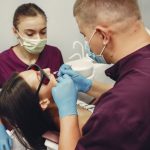

Most people think a dentist only cares for teeth. They think about cavities, fillings, and keeping teeth clean and white. But gums are just as important for oral health. Gums are the soft pink tissue that hold teeth firmly in place. If gums are not healthy, teeth can become weak and may even loosen over time. This is why dentist care always includes gum checks during routine visits. Preventative dentistry in Burnaby focuses on stopping problems before they start. It includes regular dental cleaning, gum care, and early screening for infection or inflammation. When people choose preventative dentistry near you, they are taking an important step to protect both gums and teeth. Healthy gums support a strong smile and help reduce the risk of serious dental disease in the future.
What is Gum Disease?
Gum disease is an infection of the pink tissue around the teeth. It starts when bacteria build up on the teeth. This bacteria forms a sticky layer called plaque. If plaque is not cleaned away by brushing and flossing, it turns into a hard substance called tartar. Only a dental professional can remove tartar through preventative dentistry near you.
There are two main stages of gum disease:
- Gingivitis: This is the early stage. The gums might look red and swollen, and they might bleed when brushing.
- Periodontitis: This is the severe stage. The infection goes deeper into the bone and tissues that hold the teeth.
How Does Poor Gum Health Lead to Tooth Loss?
Many people do not know that gum disease is the leading cause of losing teeth in adults. So, how does poor gum health lead to tooth loss? It happens because the infection damages the foundation of the tooth. When tartar stays on the teeth for too long, the gums start to pull away from the teeth. This creates small spaces called pockets. Bacteria get trapped inside these pockets. As the infection grows, the body tries to fight it. Unfortunately, this fight damages the bone and the special fibers that lock the teeth into the jaw. Without this strong bone support, the teeth become loose. Eventually, the teeth can fall out on their own, or a dentist has to pull them out because they are too damaged.
Can Healthy Gums Prevent Serious Dental Diseases?
The short answer is yes. Can healthy gums prevent serious dental diseases? Absolutely. When gums are healthy, they fit tightly around the teeth. This tight fit stops harmful bacteria from moving down into the jawbone. Healthy gums protect the roots of the teeth from decay. They also help prevent severe infections like periodontitis from starting. This is a key goal of preventative dentistry near you, where early care helps stop problems before they become serious. By keeping the gums clean, the bone stays strong, and the teeth stay firmly in place for a lifetime.
How to Practice Preventive Dentistry at Home
Preventive dentistry is a team effort between patients and dental professionals. Daily habits make a huge difference in protecting the gums.
Brush Twice a Day
Brushing removes the sticky plaque before it can harden. It is important to brush gently along the gumline where the teeth and gums meet.
Floss Daily
A toothbrush cannot reach the tight spaces between the teeth. Flossing cleans those hidden areas and removes bacteria that cause gingivitis.
Visit the Dentist Regularly
Going to a dental clinic twice a year allows a dentist in Burnaby to remove hard tartar and check for early signs of gum disease and tooth decay.
Simple Gum Care Protects Your Smile
Gilmore Dental provides quality dental services focused on gum health and preventive dentistry for better oral health care and prevention. We help patients maintain healthy gums through regular checkups, cleaning, and early diagnosis of dental problems and help prevent gum disease early. Visit us today for gentle and preventive dental care services.
FAQs:-
1. What do healthy gums look like?
Healthy gums are firm and pink. They should fit tightly around the teeth and should not bleed or hurt when brushing or flossing.
2. Can gingivitis be cured?
Yes. Gingivitis is the only stage of gum disease that can be completely reversed. Brushing, flossing, and getting a professional dental cleaning can make the gums healthy again.
3. How often should a dental cleaning happen?
Most people need a professional cleaning every six months. People with a history of gum problems might need to visit the dental clinic more often.
4. Does gum health affect the rest of the body?
Yes. Scientists have found that bacteria from infected gums can enter the bloodstream. This bacteria can connect to other health issues in the body, which makes gum care even more important.