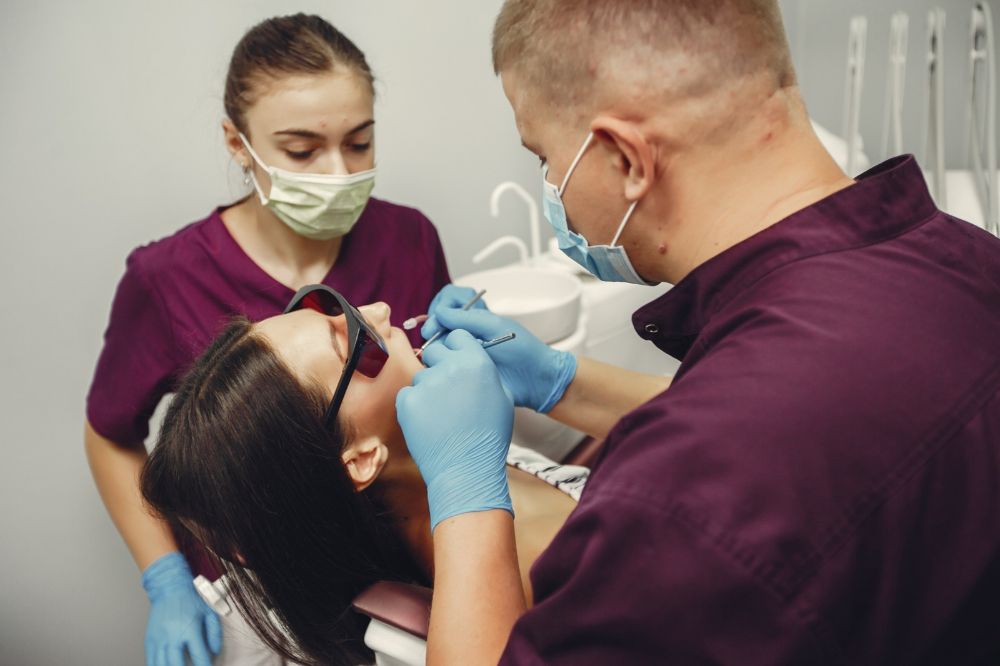
Healing after dental implant surgery takes time. Knowing what to expect can help you feel more comfortable during recovery. You may have mild pain, swelling, a little bleeding, or bruising during the first few days. These symptoms should gradually improve as your mouth heals.
Recovery time depends on your health, how many implants you get, and whether you need any extra treatment. Follow your dentist’s care instructions to help the area heal properly. If you have questions or your symptoms worsen instead of improving, contact your dental team. A dentist in Burnaby can explain what to expect and help you know when you may need extra care.
What Is Normal After Dental Implant Surgery?
Some discomfort is expected after implant surgery, especially during the first 24 to 72 hours. Swelling may increase during the first two or three days before it begins to settle.
Common recovery symptoms include:
- Mild to moderate pain near the implant site.
- Swelling or bruising around the cheek or jaw.
- A small amount of blood in your saliva during the early hours.
- Tenderness when eating or opening your mouth.
- Temporary difficulty chewing near the surgical area.
These symptoms should gradually improve. Healing inside the jaw takes much longer than the initial recovery, so feeling better does not mean the implant has fully joined with the bone.
What Helps With Pain and Swelling at Home?
If you are wondering, “What helps with pain and swelling at home?”, a few simple steps can make recovery more comfortable.
- Use a cold pack: Apply it to the outside of your cheek for short periods during the first day, following your dentist’s instructions.
- Take medicines as directed: Use prescribed or recommended pain relief according to the instructions. Do not take extra doses.
- Rest: Avoid strenuous exercise for the first few days or for as long as advised.
- Keep your head raised: Use an extra pillow when resting if it feels comfortable.
- Avoid smoking: Smoking can slow healing and increase the risk of problems with your implant.
Do not rinse your mouth too vigorously, spit repeatedly, or touch the surgical area in the first few days. Follow your dentist’s instructions, as care may vary depending on your treatment.
What Can I Eat, and What Should I Avoid?
If you are asking, “What can I eat, and what should I avoid?”, choose soft foods that require little chewing while the area is tender.
Suitable choices may include:
- Yoghurt and smoothies are eaten with a spoon.
- Mashed potatoes and soft-cooked vegetables.
- Scrambled eggs.
- Lukewarm soups.
- Soft pasta or oatmeal that has cooled.
Avoid hard, crunchy, sticky, very hot, or spicy foods if they irritate the area. Do not chew directly over the implant site unless your dentist says it is safe. Avoid using a straw if instructed, especially when other procedures are performed at the same time.
As healing progresses, your dental team can tell you when to return to your usual diet. Do not rush back to hard foods just because the pain has improved.
How Should You Clean Your Mouth During Recovery?
Keeping your mouth clean helps reduce the risk of infection, but the surgical area needs gentle care.
- Brush your other teeth carefully, avoiding direct pressure on the surgical site.
- Use a prescribed mouth rinse or warm salt water only as directed.
- Do not pull at stitches or touch the implant area with your fingers or tongue.
- Follow instructions about when and how to clean around the implant.
With implant dentistry in Burnaby, follow-up visits allow the dental team to check healing and guide you as cleaning routines change. Attend these visits even if the area feels comfortable.
When Should You Call Your Dentist?
Contact your dental team if pain or swelling becomes worse after initially improving, or if you notice signs that may suggest a complication.
Seek prompt dental advice if you have:
- Bleeding that does not stop with the instructions provided.
- Increasing swelling, redness, or pain.
- Pus, a persistent unpleasant taste, or other possible signs of infection.
- A loose implant or healing component.
- Fever or feeling increasingly unwell.
Seek emergency medical care if you have trouble breathing or swallowing, or swelling that spreads rapidly.
A dentist near you can assess concerning symptoms and decide whether you need an examination or further treatment. Do not wait for a scheduled checkup if symptoms are worsening.
Support Your Recovery With the Right Care!
Healing after implant surgery is a step-by-step process, and the right guidance can help you feel more prepared at each stage. Gilmore Dental can answer your recovery questions, assess concerns, and help you understand the next steps in your care. Book your appointment if you need advice or notice symptoms that are not improving.
FAQs
How long does it take to recover from dental implant surgery?
Pain and discomfort often get better within a few days to a week. The bone may take several months to grow around and hold the implant in place.
Is swelling worse on the second day after implant surgery?
Swelling often increases during the first 2 to 3 days before it starts to go down. Get medical help right away if swelling gets worse quickly, pain is severe, or you have trouble breathing or swallowing.
Can you brush your teeth after dental implant surgery?
Yes, you can usually brush your other teeth carefully. Avoid brushing the surgery area until your dentist says it is safe. Follow your dentist’s instructions on how to clean around the implant.
Is it normal to feel a little pain several days after surgery?
Some tenderness can continue for several days. Pain should generally improve, not steadily increase. Contact your dental team if it worsens or does not respond to the recommended care.