Healthy baby teeth help children chew comfortably, develop speech, and maintain space for their permanent teeth. Although these teeth eventually fall out, decay and infection can still cause pain and affect eating. Early oral care helps protect a child’s developing smile and introduces habits that can continue into adulthood. Pediatric dentistry in Burnaby can help families understand age-appropriate brushing, feeding habits, and preventive care. Gentle cleaning from infancy and early dental visits provides a practical starting point.
Why Baby Teeth Need Attention
Untreated decay can cause discomfort, infection, and premature tooth loss, which may affect the space available for adult teeth.
A dentist in Burnaby can assess early signs of decay and explain suitable preventive measures. White or brown spots, visible pits, gum swelling, or signs of pain should be checked rather than dismissed as normal changes.
Starting An Oral Care Routine
Before the first tooth appears, gently wipe your baby’s gums once a day with a clean, damp cloth. When a tooth emerges, begin brushing twice daily with a small, soft-bristled toothbrush.
For children younger than three, use water unless a dental or health professional recommends fluoride toothpaste. If fluoride toothpaste is advised because of cavity risk, use only a rice-grain-sized smear. An adult should do the brushing and supervise oral care as the child grows.
Everyday Habits That Help Prevent Cavities
Simple routines can reduce exposure to cavity-causing sugars and help keep teeth clean:
- Brush Before Bed: Clean teeth twice daily, including before sleep.
- Limit Sugary Drinks: Avoid frequent sipping of juice or sweetened beverages.
- Avoid Bedtime Bottles: Do not put a baby to sleep with a bottle of milk or juice.
- Offer Water Between Meals: Water helps avoid repeated exposure to sugary drinks.
- Help With Brushing: Continue assisting until your child can reliably clean every surface.
A pediatric dentistry near you can guide you on the feeding patterns and habits that may affect oral development. Adjust the routine as your child grows and follow advice suited to their individual needs.
When To Arrange The First Dental Visit
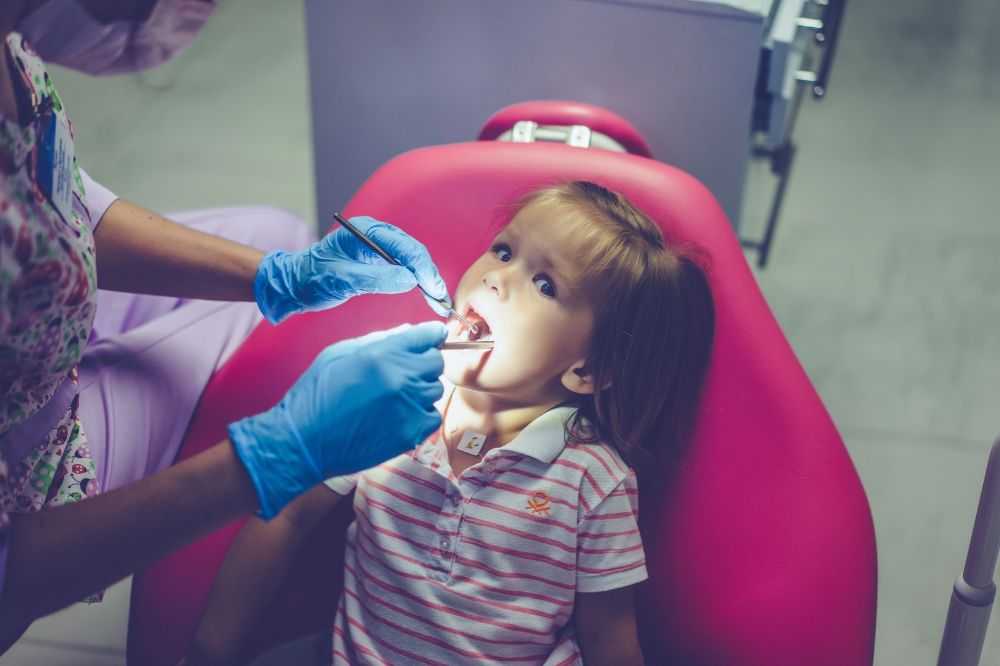
The first dental visit should happen by the first birthday or within six months of the first tooth appearing, whichever comes first. A dentist near you can check your child’s teeth and gums, assess cavity risk, and explain brushing techniques and feeding practices.
A visit is appropriate sooner if a tooth appears damaged, spots develop, or the child shows signs of oral discomfort.
Give Your Child A Healthy Start
Early dental care does not need to be complicated. Small daily habits, suitable preventive guidance, and timely dental visits can help protect baby teeth as your child grows.
Schedule a consultation with Gilmore Dental to find the right care routine for your child’s oral health.
FAQs
When should I start brushing my baby’s teeth?
Begin brushing as soon as the first tooth appears. Use a soft infant toothbrush twice daily and follow professional advice about fluoride toothpaste. Before teeth erupt, gently clean the gums with a damp cloth to establish an early oral-care routine.
When should I take my baby to the dentist for the first time?
Arrange the first dental visit by age one or within six months of the first tooth appearing, whichever comes first. The appointment helps assess oral development, identify early concerns, and provide advice on brushing, feeding, and cavity prevention.
Do baby teeth need treatment if they will fall out?
Yes. Decay in baby teeth can cause pain and infection. Premature loss may also affect the space available for permanent teeth. A dental professional can explain whether monitoring, preventive care, or treatment is appropriate.
Can milk or formula contribute to tooth decay?
Frequent exposure to milk or formula after teeth appear, particularly during sleep, can contribute to decay risk. Avoid putting a baby to bed with a bottle of milk or juice, and clean erupted teeth before bedtime.