Tooth development in children starts earlier than many parents expect. It begins before birth and continues through the teenage years. Understanding children’s tooth development helps parents know what changes to expect and how to support healthy growth at each stage. Many parents visit a dentist in Burnaby to learn more about their child’s dental progress. Regular visits help track growth and address concerns early. This also gives parents clear guidance on how to care for their child’s teeth at every stage.
Early Development Before Birth
Tooth development begins during pregnancy. The basic structure of primary teeth starts forming in the early weeks.
Here are some key points about this stage.
- Tooth buds begin to form in the gums
- Enamel starts developing before birth
- Nutrition during pregnancy plays a role
- Early development affects future oral health
This stage is not visible, but it is important for long-term dental health. Proper care during pregnancy supports stronger teeth later.
Infant Stage And First Teeth
The first visible stage begins when baby teeth start to appear. This usually happens around six months of age, though it can vary.
Here are some signs of tooth development in babies.
- Swollen or tender gums
- Drooling more than usual
- Chewing on objects
- Irritability during teething
These signs are normal and part of early growth. Parents can help by keeping the area clean and offering safe items for relief.
Primary Teeth Development
Primary teeth, also known as baby teeth, continue to appear over time. Most children have a full set by the age of three.
Here is how this stage progresses.
- Front teeth appear first
- Molars come in later
- Teeth grow in pairs over time
- Gums adjust as teeth emerge
This stage plays a key role in chewing and speech. It also helps guide the placement of permanent teeth later.
Mixed Dentition Stage
This stage begins when children start losing their baby teeth. Permanent teeth begin to replace them, usually around age six.
Here are some common changes during this stage.
- Baby teeth become loose and fall out
- Permanent teeth start to grow in
- Spacing may change as teeth shift
- Jaw growth continues
This stage can last several years. Regular care helps ensure proper alignment and healthy development.
Permanent Teeth Development
Permanent teeth continue to develop through the teenage years. This stage completes the transition from baby teeth.
Here are some key points.
- Most permanent teeth appear by early teens
- Wisdom teeth may develop later
- Teeth become stronger over time
- Alignment may need monitoring
Visiting a dental clinic near you during this stage helps ensure everything is developing properly. It also allows early action if adjustments are needed.
Importance Of Early Dental Visits
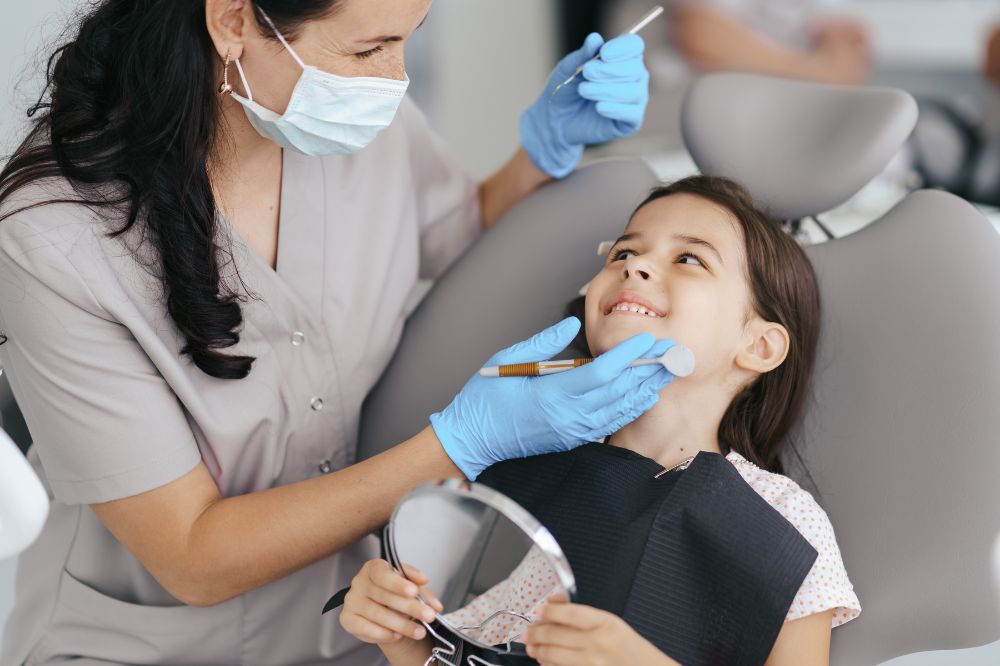
Early dental visits help track your child’s growth and catch problems early. They also help prevent issues from getting worse over time.
Here are some benefits of early visits.
- Check how the teeth are growing
- Look for early signs of decay
- Guide parents on daily care
- Help children feel comfortable at the dentist
These visits make it easier to manage your child’s dental health. They also build comfort with regular checkups. Parents often choose pediatric dentistry in Burnaby services to ensure their child gets focused care. These visits make it easier to manage dental health from a young age.
Common Concerns During Tooth Development
Parents may notice changes as their child’s teeth grow. Some are normal, but some may need attention.
Here are some common concerns.
- Teeth coming in late
- Crowding or gaps between teeth
- Changes in tooth color
- Sensitivity or mild discomfort
Watching these changes helps keep your child’s teeth healthy. Early care can prevent bigger problems later.
Supporting Healthy Tooth Development
Daily habits play an important role in keeping teeth healthy. Simple routines can protect teeth at every stage.
Here are some habits to follow.
- Brush twice a day properly
- Use toothpaste suitable for their age
- Encourage healthy food choices
- Visit the dentist regularly
These habits help keep teeth strong and healthy. Over time, children learn to care for their teeth on their own.
Helping Children Through Each Stage
Each stage of tooth development brings new changes. Being prepared helps both parents and children manage these transitions.
Here are some helpful tips.
- Stay informed about each stage
- Watch for any unusual signs
- Keep regular dental appointments
- Support your child during teething
Understanding these stages makes the process easier to manage. It also helps children feel more comfortable as their teeth grow.
Support Your Child’s Healthy Smile
Gilmore Dental is here to help you understand your child’s dental growth at every stage. Reach out to us for guidance and care that supports healthy development and long-term oral health.
Frequently Asked Questions
When do babies start teething?
Most babies start teething at around six months, but it can differ.
How many baby teeth do children have?
Children usually have 20 baby teeth by the age of three.
When do permanent teeth start coming in?
Permanent teeth usually begin to come in around age six.
Is it normal for teeth to come in late?
Some delay is normal, but a dentist can check if needed.